Bitcoin Sell-Off 2025: Why Crypto Is Crashing and What’s Really Driving the Move
The current Bitcoin sell-off isn’t just a random crypto tantrum. It’s a full-scale unwind driven by slowing global growth, elevated real yields, leverage washouts, whale and institutional distribution, and a sharp turn in risk sentiment. In other words: this is what happens when macro finally cashes in on the excesses of a liquidity-fueled bull run.
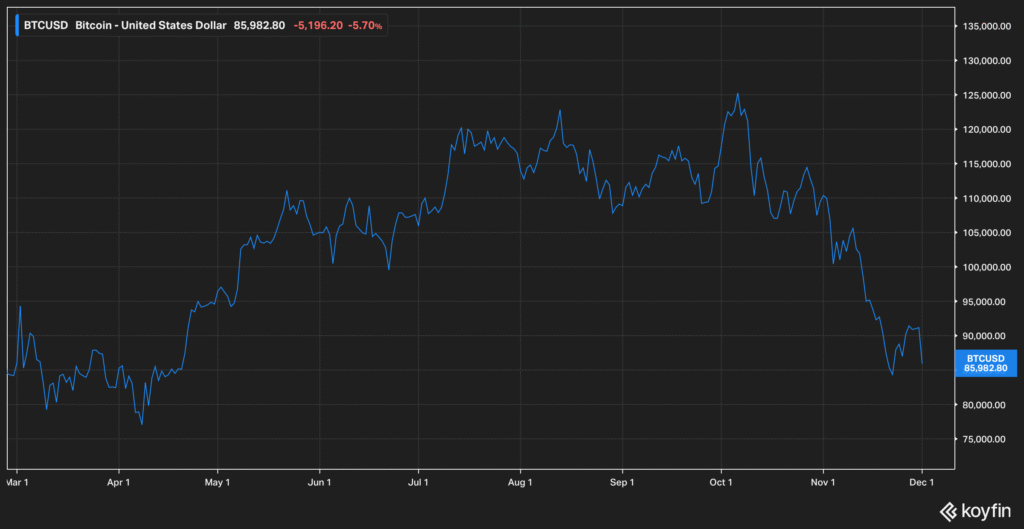
Market Recap: Bitcoin Sell-Off Goes From “Dip” to “Repricing”
After a strong run earlier in the year, Bitcoin rolled over and slid into a deep double-digit correction, dragging the rest of the crypto complex with it (Barron’s). The move hasn’t looked like normal noise — volatility spiked, liquidity thinned out, and depth on the bid side vanished right when sellers needed it most (Financial Times).
That combination — thin liquidity, heavy selling, and high leverage — is classic “macro stress meets degen market structure.”
Why the Bitcoin Sell-Off Is Happening: The Multi-Layered Drivers
1. Macro Risk-Off & Slowing Global Growth Tighten the Noose
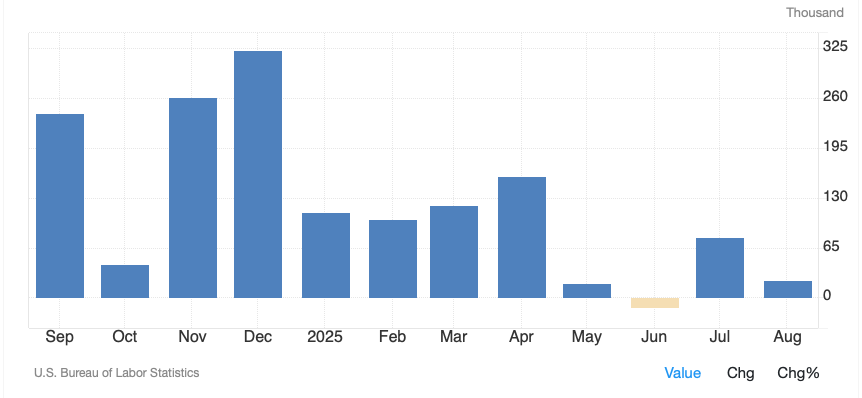
Under the hood, global growth is slowing. A 2025 macro outlook shows weaker worldwide activity as trade frictions, softer demand, and elevated uncertainty weigh on output (Morgan Stanley).
In the U.S., GDP forecasts for 2025 have been revised lower, with growth expected to cool further into 2026 as tariffs, tighter migration, and supply-chain frictions drag on productivity (EY Economic Outlook). Slower growth usually means weaker earnings, more cautious risk-taking, and a shift away from high-octane assets.
Research suggests crypto is increasingly correlated with macro cycles: when growth expectations weaken, speculative inflows fall and risk premia rise (S&P Global). In that environment, Bitcoin transforms from “digital gold” into “the first thing you dump to raise cash.”
2. Elevated Interest Rates & Real Yields Hit Non-Yielding Crypto
Crypto’s biggest structural problem in 2025: it doesn’t pay you anything. With central banks keeping policy rates elevated and real yields rising, investors can finally earn a respectable return in safer assets. That dramatically raises the opportunity cost of holding volatile, non-yielding Bitcoin (Medium Research).
Analyses of how macro policy feeds into crypto markets show that tighter monetary conditions and higher real yields suppress demand for speculative, duration-like assets (Gate Research). At the same time, work on interest rates and crypto pricing highlights that rate hikes and sticky inflation expectations tend to correspond with drawdowns in Bitcoin (CoinLedger Research).
Translation: when you can get paid in Treasuries, the “number go up” narrative has to work a lot harder.
3. Forced Liquidations & Leverage Unwinds Amplify the Fall
Crypto doesn’t just go down; it cascades. Earlier in the cycle, a massive liquidation wave took out billions in leveraged long positions, revealing how fragile positioning had become (Financial Times). As spot prices rolled over again, a familiar loop kicked in:
- Prices dip → margin calls hit leveraged longs.
- Forced selling deepens the move.
- More liquidations trigger as collateral values drop.
Coverage of the recent correction points to a sharp spike in liquidations that helped turn an orderly pullback into a fast flush (Economic Times). In a macro environment already tilted toward risk-off, that leverage unwind hits even harder (Market Minute).
4. Whale & Institutional De-Risking Adds Structural Sell Pressure
On-chain data has flagged billions in BTC flowing onto major exchanges over a relatively short window — a pattern historically associated with whales preparing to sell into weakness (Economic Times). That supply matters when spot liquidity is shallow.
At the same time, institutional investors now hold a much larger share of the crypto pie. Reports highlight that institutions and corporates with digital-asset treasuries have been trimming or offloading exposure as equity markets wobble and volatility rises (Financial Times). Analysis of the current crash argues that this cycle is more dangerous than prior bear markets precisely because institutional participation has turned Bitcoin into a mainstream risk asset (Business Insider).
In other words, when big money hits “reduce risk,” Bitcoin is now in the crosshairs — not outside the system.
5. Sentiment Fragility & the “Tinkerbell Effect” Reversal
Deutsche Bank analysts recently described Bitcoin’s valuation as partly driven by a “Tinkerbell effect” — it holds value as long as enough people believe in the story. But that belief is fragile when macro shifts and price momentum breaks (MarketWatch).
With global growth slowing and central banks staying restrictive, the vibe flipped from FOMO to “maybe I should not be 100x long digital rocks.” Research on macro–crypto linkage shows that when policy tightens and growth fears rise, risk appetite collapses across the board — and crypto, lacking cash flows or hard fundamentals, is often hit hardest (Gate Research).
Why This Bitcoin Sell-Off Feels Different
What makes this Bitcoin sell-off more dangerous is that it isn’t just a crypto-specific event. It’s happening alongside weaker growth, stubbornly high real yields, and broader risk-off behavior in global markets.
- Global growth is decelerating, pushing investors toward safety (Morgan Stanley).
- Real yields and policy rates are elevated, making yield-bearing assets much more attractive than non-yielding crypto (CoinLedger Research).
- Leverage is amplifying downside as forced liquidations cascade through futures and perp markets (Market Minute).
- Institutions and whales are net sellers, using BTC as a liquidity source and de-risking tool (Business Insider).
- Crypto is increasingly macro-correlated, behaving more like a high-beta extension of risk assets than a hedge (S&P Global).
Put simply: Bitcoin is no longer outside the system. It’s plugged into the same macro plumbing as everything else — and when that plumbing groans, it gets hit.
What Traders Should Watch Now — Macro Is the New Technical
- Growth data & revisions — GDP forecasts, PMIs, and earnings trends. Further downward revisions to growth tend to keep pressure on high-beta risk (EY Economic Outlook).
- Yields & central bank expectations — sustained high real yields or hawkish surprises generally weigh on crypto valuations (CoinLedger Research).
- Exchange inflows — spikes in BTC flowing to exchanges historically precede more selling (Economic Times).
- Funding rates & open interest — persistent negative funding and collapsing OI suggest capitulation; a re-build in leverage tells you the next squeeze is loading (Market Minute).
- Institutional flows & ETFs — outflows from crypto ETPs and institutional products are a clean proxy for big-money risk appetite (Financial Times).
- Fear gauges & positioning — surveys and flow data show extreme fear levels, with some research suggesting the market may not yet have fully bottomed (AInvest).
For live market context, it’s also worth tracking total crypto market cap and BTC dominance across major aggregators like CoinMarketCap.
Trader Takeaways
- This Bitcoin sell-off is macro-driven — slowing growth and high yields are not exactly “up only” fuel.
- Leverage and whale flows are turning a macro repricing into a volatility event.
- Institutional positioning now matters as much as retail sentiment, if not more.
- Until macro eases — think lower real yields or improving growth — rallies are guilty until proven innocent.
Final Takeaway
The 2025 Bitcoin sell-off is what happens when a high-beta, non-yielding asset meets slowing growth, high real yields, and crowded positioning. Crypto is no longer a side quest to the macro story — it’s in the main plot. Until the growth outlook stabilizes or central banks soften their stance, volatility and air-pocket risk remain part of the trade.
Disclaimer: This is not financial advice. Trading involves risk, and nothing in this post should be interpreted as a recommendation to buy or sell any security. Review full legal policy -> Here